
Exploring the connection between luck and skill in gambling scenarios
The Nature of Gambling
Gambling is often perceived as a thrilling mix of uncertainty and anticipation, where participants are lured by the prospect of winning big. At its core, gambling encompasses games where chance plays a critical role; however, it also allows for strategic play influenced by the skills of the participants. This duality makes gambling fascinating and complex, pushing players to navigate their own luck while employing various techniques to tilt the odds in their favor. For more insights into this dynamic, visit 1win.
Games like poker and blackjack showcase this intricate relationship vividly. While luck can determine the hand one is dealt, the skill level of the player will largely influence the subsequent decisions made. This raises questions about which aspect carries more weight: the randomness of chance or the decisions informed by skillful play. Understanding the intersection of these elements is vital for players aiming to enhance their performance. Engaging in various forms of gambling not only provides entertainment but also offers an opportunity for personal growth and learning. Players may develop critical thinking and decision-making skills, which can be beneficial in various areas of life.

The Role of Luck
Luck, in gambling, is often described as the unpredictable force that can dramatically alter the outcome of a game. In purely games of chance like slot machines or roulette, luck undeniably holds the reins. Players can employ strategies to manage bankrolls, but ultimately, the results are left to fate. This randomness can cause both euphoric highs and devastating lows, and it remains a significant factor in determining a player’s overall experience.
Despite its unpredictable nature, luck also contributes to the allure of gambling. The possibility that a stroke of good fortune can lead to substantial payouts is what keeps many players coming back for more. Understanding the implications of luck can help participants manage their expectations and encourage responsible gaming, reducing the risk of emotional decisions fueled by the hope of a lucky win. Being aware of how luck operates in each game can assist players in setting realistic goals and appreciating the experience for what it is—a mix of chance and choice.
The Importance of Skill
Skill encompasses the knowledge, strategies, and psychological tactics employed by players to optimize their chances of winning. In games like poker, players can utilize probabilities, bluffing, and reading their opponents to make informed decisions. Skillful players often study the game meticulously, allowing them to outmaneuver less experienced opponents. This focus on skill can significantly influence the outcomes over time, showcasing that while luck plays a role, skill can dominate in the long run.
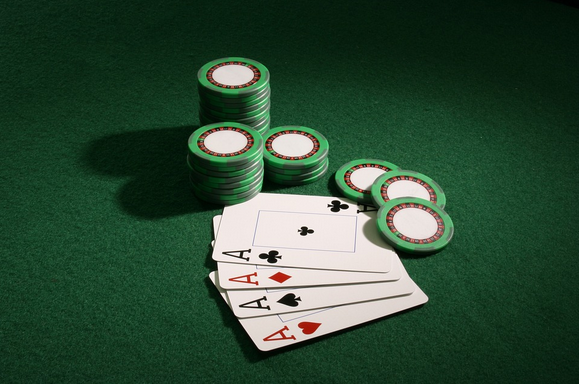
Moreover, the incorporation of skill can shift gambling from a mere luck-based activity to a competitive sport. Skilled players often have a higher win rate, reinforcing the idea that knowledge and practice can produce more favorable results than luck alone. The blend of skill and luck creates a savory challenge for many, giving a deeper meaning to the existence of gambling in popular culture. As players enhance their skills, they often become part of a broader community, sharing insights and experiences that further enrich their understanding of the games they love.
The Psychological Aspect
Understanding the psychological components of gambling is crucial when exploring the connection between luck and skill. Players often confront cognitive biases, such as the illusion of control, where they believe they can influence chance outcomes through skillful play. This mindset can lead to overconfidence, skewing a player’s perception of their chances of winning, especially in luck-dominated games.
Additionally, the psychology of loss and risk can prompt players to engage in practices like chasing losses, which can overshadow the skill involved in making sound betting decisions. Recognizing one’s mental state and its influence on gameplay can provide clearer insights into how luck and skill interact in the gambling landscape, fostering better habits and gaming strategies. Players who take the time to understand their psychological predispositions often find themselves more resilient and aware, allowing them to approach gambling with a healthier mindset focused on enjoyment rather than simply chasing profits.
Conclusion: A Balanced Approach
The relationship between luck and skill in gambling scenarios is intricate and multifaceted. While luck creates the unpredictability that makes gaming exciting, skill offers a pathway to mitigate some of that randomness. Understanding this balance can empower players to make informed decisions, ultimately enhancing their overall experience.
As players become more aware of how luck and skill function together, they can develop strategies that utilize both elements effectively. By integrating knowledge and emotional intelligence in gambling, participants can find greater satisfaction beyond mere chance, contributing to a more enriching gaming experience overall. This holistic understanding not only maximizes enjoyment but also fosters a responsible approach to gambling, helping participants navigate this captivating world with both excitement and caution.